


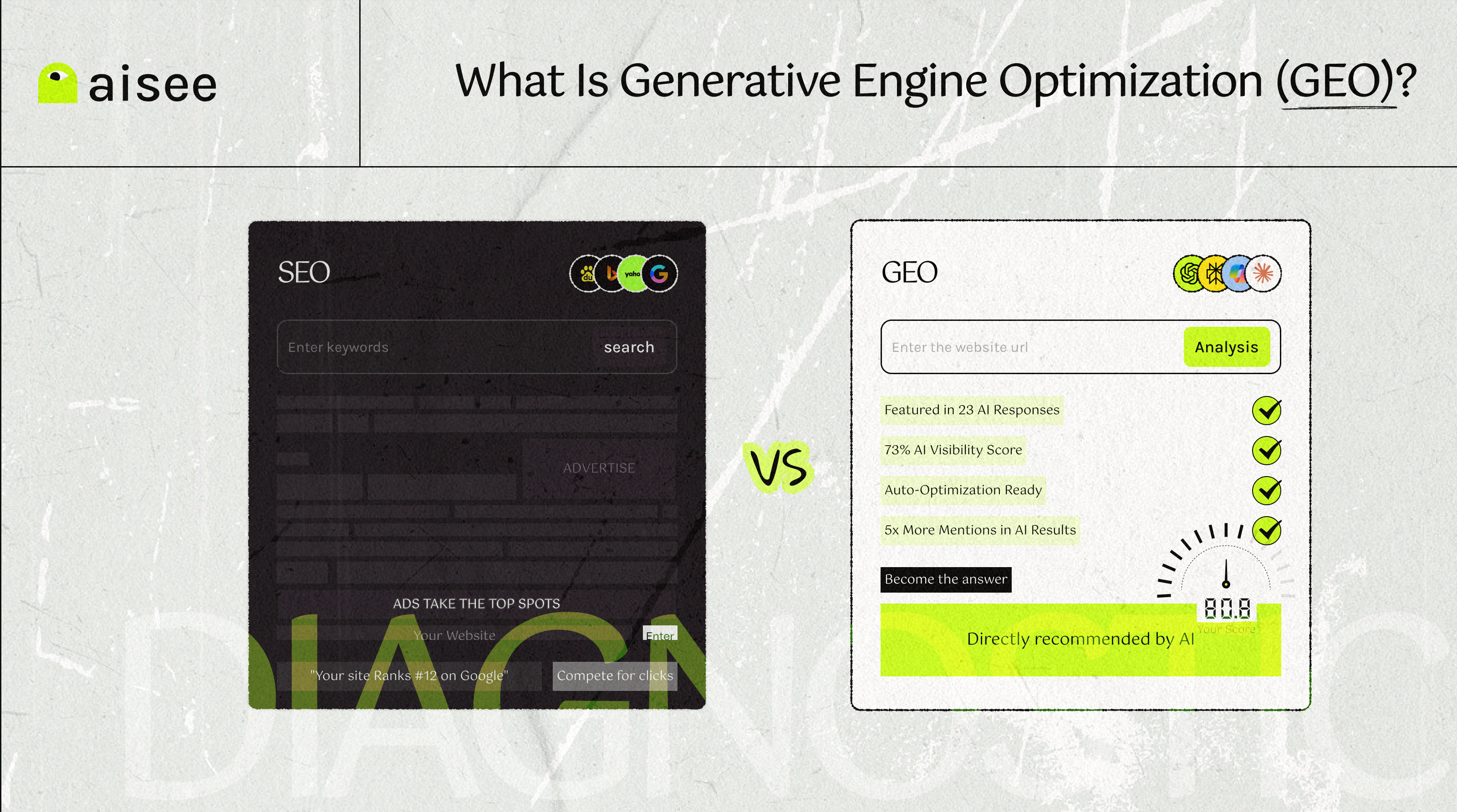
The rise of generative AI has introduced a quiet but fundamental change in how information is discovered, interpreted, and acted upon. While much attention has been given to new interfaces and faster answers, the deeper shift lies in how search engines themselves now function.
Generative systems no longer operate as neutral gateways to external content. They actively interpret queries, synthesize information, and present conclusions. In doing so, they reshape the economics of visibility.
Within this context, a new discipline is emerging: Generative Engine Optimization (GEO).
Beyond Traditional Search Optimization
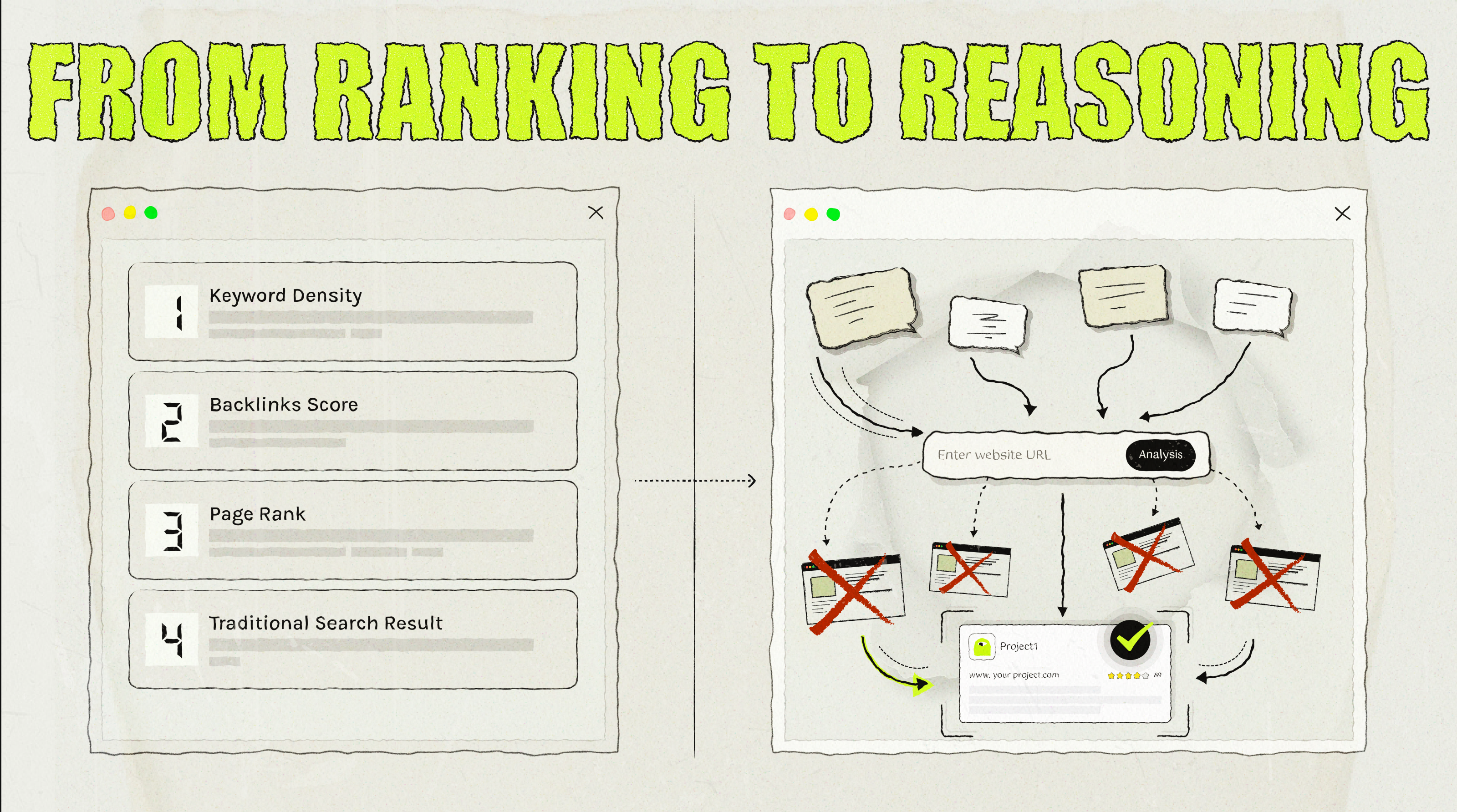
For years, search optimization has been centered around retrieval. Pages were indexed, ranked, and surfaced based on relevance signals. The primary goal was to attract clicks by appearing as high as possible in a list of results.
Generative search systems operate under a different logic. Instead of ranking documents, they construct answers. Instead of directing users outward, they resolve intent internally. The output is no longer a set of options, but a single synthesized response.
This distinction is not semantic. It changes what optimization means.
In a generative environment, the critical question is no longer where content ranks, but whether it is used at all.
Defining Generative Engine Optimization
Generative Engine Optimization refers to the practice of improving how a brand’s content is interpreted, selected, and incorporated into AI-generated answers.
Rather than optimizing for exposure in search results, GEO optimizes for inclusion in the reasoning process of generative models.
This requires a different set of considerations:
- How clearly concepts are defined
- How consistently ideas are expressed
- How well information aligns with user intent
- How confidently AI systems can reuse and reference the content
GEO is therefore less about visibility at the surface level, and more about structural trust within AI systems.
Why GEO Is Not SEO
It is tempting to view GEO as an extension of SEO, but this framing underestimates the scale of the shift.
SEO assumes a user who evaluates options. GEO assumes a system that makes decisions on the user’s behalf.
In SEO, success is measured by impressions, clicks, and rankings. In GEO, success is measured by whether AI systems adopt a brand’s content as part of their default explanation of a topic.
This distinction has direct business implications. When a brand’s perspective becomes embedded in AI-generated answers, it gains exposure before users enter traditional conversion funnels. Demand is shaped upstream, resulting in higher-intent traffic and improved efficiency downstream.
GEO as a Business Lever
The relevance of GEO is not theoretical. It is operational.
As AI-generated answers become a primary interface for search, brands that are consistently referenced benefit from:
- Lower customer acquisition costs
- Higher conversion quality
- Stronger category authority
- Compounding visibility effects over time
GEO shifts optimization from chasing marginal ranking improvements to securing durable positions within AI-generated narratives.
In this sense, GEO is not about producing more content. It is about ensuring that existing expertise is recognized, trusted, and reused by AI systems.
From Optimization to Alignment
At its core, GEO is an alignment problem.
It aligns how a brand communicates with how generative systems process information. This includes structure, clarity, and contextual completeness. Content that performs well under GEO principles tends to reduce ambiguity and increase AI confidence in its applicability.
AISEE approaches GEO from this perspective. Rather than treating AI as a black box, it focuses on making the interaction between content and generative systems observable and improvable.
Looking Ahead
Generative Engine Optimization represents a shift in where value is created in search. As AI systems increasingly mediate access to information, visibility will depend less on tactical optimization and more on conceptual clarity and trust.
Brands that adapt to this shift will not only remain discoverable, but will influence how their industries are explained and understood.
GEO provides the framework for doing so.
Beyond GEO: Optimization in the Age of AI Answers
As the concept of Generative Engine Optimization gains attention, it is often framed as the next iteration of SEO. While this framing is convenient, it is also incomplete.
GEO describes where optimization happens—within generative engines.
But it does not fully describe what is being optimized.
In practice, AI search systems are not optimized around pages, keywords, or even engines. They are optimized around answers.
This distinction matters.
From Engines to Answers
When users interact with AI systems, they are not choosing between sources. They are evaluating responses. The unit of value has shifted from documents to answers, from retrieval to resolution.
This is where Answer Engine Optimization (AEO) becomes relevant.
AEO focuses on whether a brand’s knowledge, perspective, or solution becomes part of the answer a user receives. It asks a more fundamental question: when a user seeks understanding or makes a decision, is the brand present in the explanation?
From this perspective, GEO and AEO are not competing concepts. They describe different layers of the same system.
- GEO addresses how generative engines interpret and select information
- AEO addresses how answers are structured, framed, and trusted by users
Both are necessary, but neither is sufficient on its own.
Optimization as a Means, Not an End
At AISEE, we do not treat GEO or AEO as isolated techniques. We treat them as mechanisms within a larger objective: business outcomes.
Users do not optimize content to appear in AI answers for visibility alone. They do so to influence decisions, generate demand, and drive revenue. An answer that does not change user behavior has limited value, regardless of how often it is generated.
This is why AISEE focuses on result-oriented optimization.
Our goal is not to help brands “exist” inside AI systems, but to help them:
- attract higher-intent traffic,
- reduce customer acquisition costs,
- improve conversion efficiency,
- and create durable demand advantages.
From this perspective, engines, answers, and interfaces are all intermediaries.
A Unified Optimization Framework
Rather than categorizing optimization efforts by engine type, AISEE approaches optimization as a unified framework that spans:
- how AI systems understand a brand (GEO),
- how answers are formed and presented (AEO),
- and how those answers translate into measurable business impact.
This framework acknowledges a simple reality: optimization in the AI era is no longer about manipulating systems. It is about aligning with how decisions are formed.
The Direction Forward
As AI continues to abstract away interfaces and sources, the boundaries between search, recommendation, and decision-making will blur further. What remains constant is the need for clarity, trust, and relevance at the moment a user receives an answer.
AISEE is built to operate at that level.
Whether framed as GEO, AEO, or another emerging term, the objective remains the same: to help businesses achieve better results with lower cost by becoming part of the answers that matter.